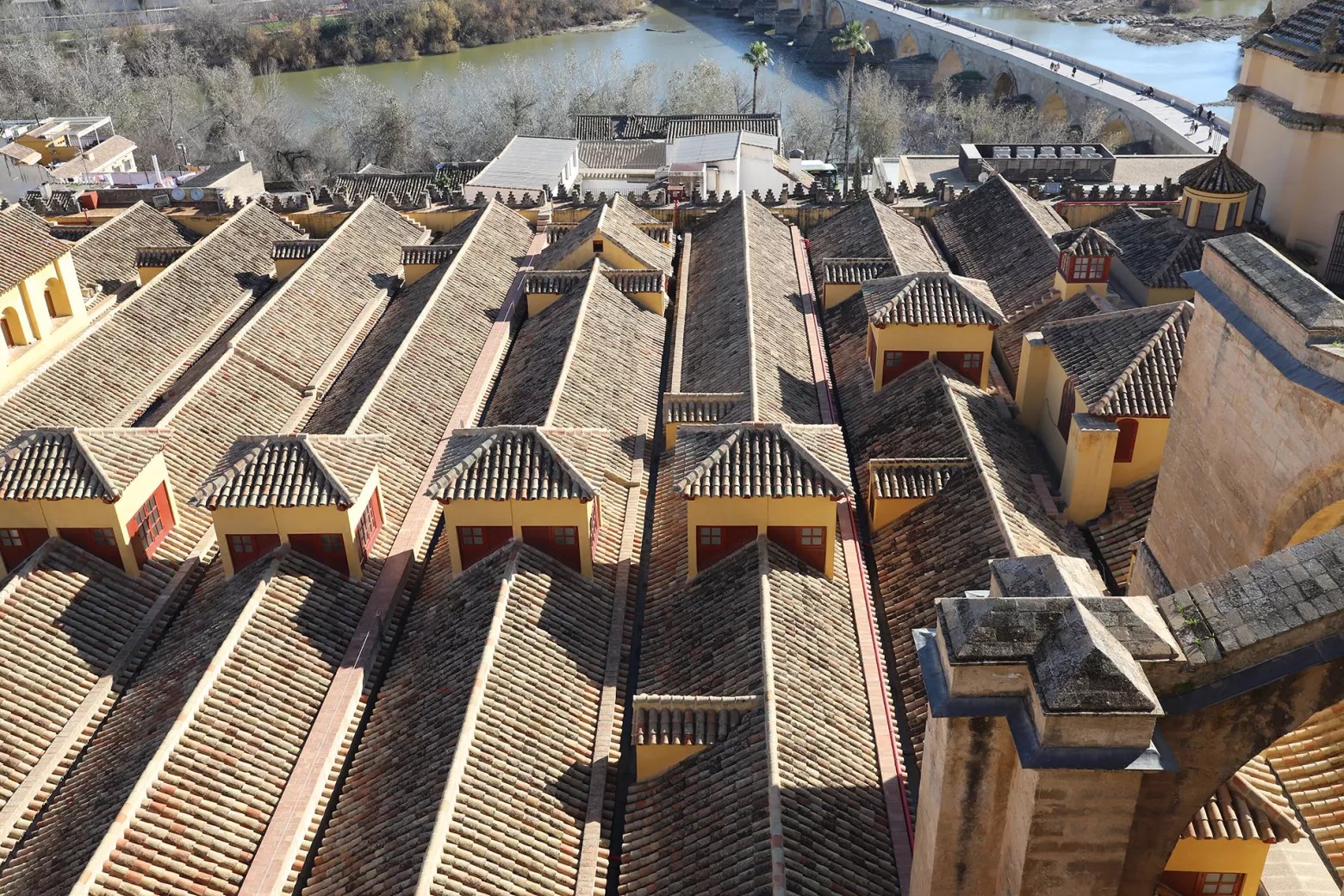
Conceived as a mosque and later repurposed as a cathedral, the Mezquita of Córdoba has been subject to continuous expansion, modification, and adaptation over the centuries. Today, these transformations render the building a unique architectural palimpsest, offering profound insights into the layered cultural and religious history of Spain. Yet, the very process that has enriched its historical significance complicates efforts to reconstruct its original state. Due to incomplete documentation, tracing the earliest phases of the building — particularly its roof structure — presents considerable challenges. It is at this intersection of uncertainty and architectural investigation that this essay takes its cue.
-
Subscribe
Subscribed
Already have a WordPress.com account? Log in now.
 Identitecture